Mindfulness Walking: A Gentle Way to Calm Anxiety and Reconnect With Yourself
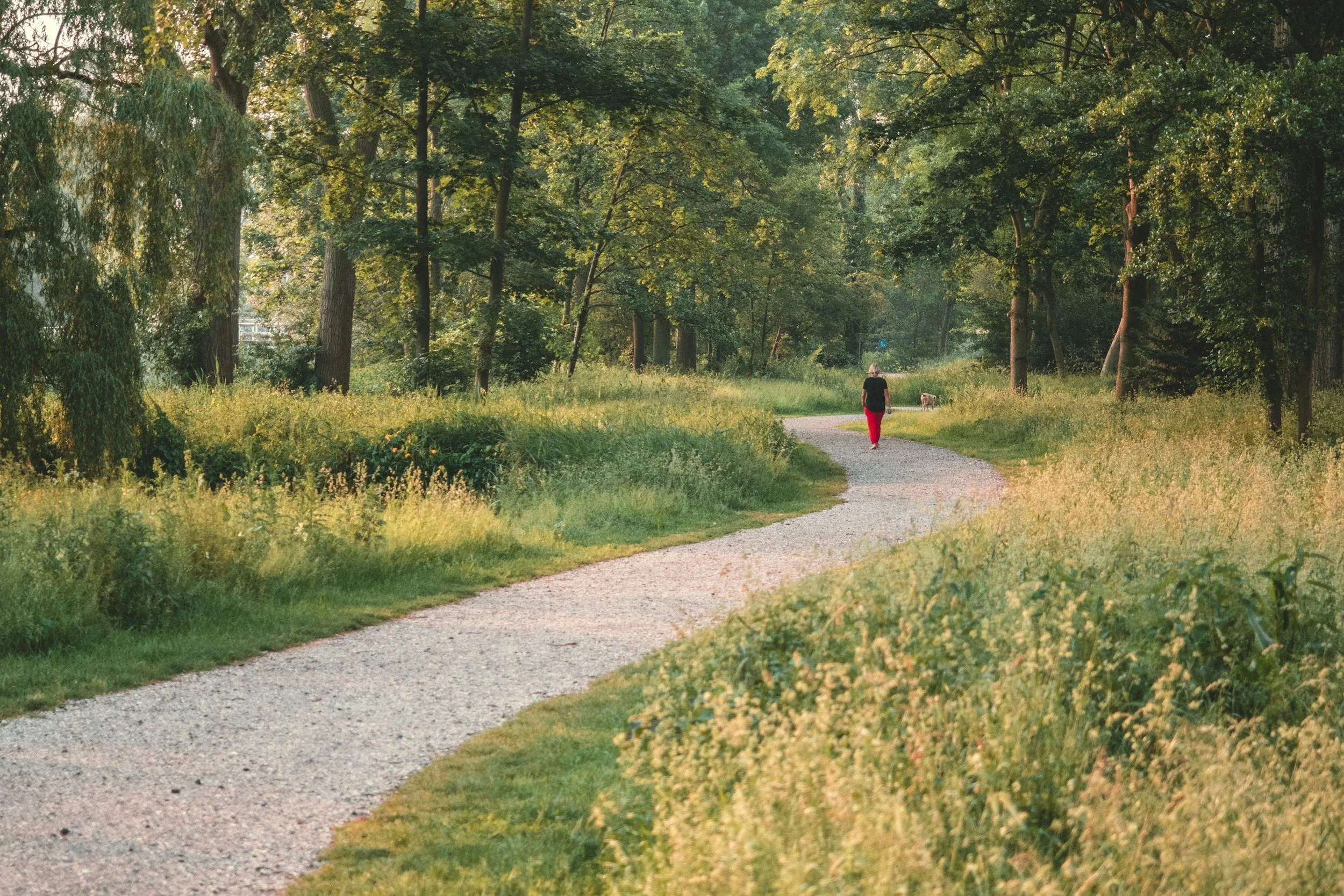
In a world that moves fast, it's easy to disconnect from your own body — to rush, to push, to overthink. Mindful walking offers a gentle way back to yourself, one step at a time.
This simple, grounding practice doesn’t require fancy equipment or deep meditation training. Just your breath, your steps, and a willingness to slow down.
What Is Mindful Walking?
Mindful walking is the practice of bringing full awareness to the experience of walking, noticing your body, your breath, and the environment around you as you move.
It’s not about speed or distance. It’s about presence. Instead of walking to get somewhere, you walk to be somewhere — right here, right now, in your own life.
There is no right way to begin, only a willingness to take a few intentional steps, as even brief periods of mindful walking can meaningfully support attention and grounding.
How to Begin a Mindful Walk
You can begin a mindful walking practice in very simple ways, with no pressure to do it perfectly. Choosing an environment that feels relatively calm can be helpful, such as a park, a quiet neighborhood street, a nature trail, or even your own backyard. What matters most is not the setting itself, but your willingness to be present within it.
Before you start moving, take a moment to arrive where you are. Stand still for a few breaths and notice the feeling of your feet making contact with the ground beneath you. This brief pause helps your body shift out of automatic motion and into awareness.
You may find it helpful to set a quiet, gentle intention before you begin. This does not need to be elaborate. It might be something as simple as “I am here,” or “One step at a time.” The intention is not a goal to achieve, but a soft reminder of how you want to move through the next few minutes.
As you begin to walk, slow your pace slightly and let your attention rest on the physical experience of movement. Notice how each foot lifts and lands, the subtle shift of weight through your body, and the natural rhythm of your breathing. There is nothing you need to force or control. Simply noticing is enough.
As you continue, gently invite your senses into the experience. Take in what you see around you, the sounds in the distance or nearby, and any subtle scents in the air. Try to let these sensations register without labeling them as good or bad. This sensory awareness anchors you in the present moment.
Your mind will wander, and that is completely normal. When you notice your attention drifting to plans, worries, or distractions, simply guide it back to your steps or your breath without self-criticism. Each gentle return is part of the practice.
When you are ready to stop, allow yourself a brief moment of stillness again. Pause and notice how your body feels compared to when you began. You may sense subtle shifts in tension, breath, or mood. There is nothing to achieve here. The noticing itself is the benefit.
Why This Practice Matters
Mindful walking matters because it brings regulation into real life, not just quiet moments on a cushion. You do not have to sit still in silence for mindfulness to be effective. For many people, especially when restlessness or overwhelm is present, movement actually makes awareness more accessible.
This practice is gentle on both the mind and the body. It meets you where you are, without forcing stillness or intensity. Because it works through everyday movement and sensory awareness, it can feel safer and more approachable for those with a history of stress or trauma.
Mindful walking also offers a practical way to reset during the flow of daily life. You can step into it for a few minutes between tasks, appointments, or responsibilities. It does not require special equipment, extra time, or ideal conditions.
If sitting still feels difficult or frustrating, mindful walking can become a natural doorway into mindfulness. It allows you to arrive in the present moment through motion rather than force.
When practiced consistently, mindful walking can support emotional regulation and stress recovery in an accessible, relaxing and real-world way.
💛 Final Thoughts
Mindful walking is an easy, accessible practice that facilitates a shift toward present-moment awareness, even amid ongoing life demands. It’s about showing up for yourself with presence in the middle of real life, just as it is. Each step becomes an opportunity to reconnect with your body and the moment you’re in.
Over time, this simple practice can help soften stress, restore a sense of grounding, and remind you that restoring a sense of calm in your life does not require stillness or perfection. It only requires a willingness to take a step.
One step. One breath. That’s it.
If you’ve been exploring ways to regulate anxiety gently, you might also enjoy my post on Mindful Eating — another small practice with a big emotional impact.
🔗 Further Reading on The Calming Edge
Here are a few supportive articles that pair well with this one:
⚠️ Gentle Disclaimer:
This article is for educational and supportive purposes only and is not a substitute for professional medical or mental-health advice.
[Read the full medical disclaimer here.]