Cannabis and the Treatment of Anxiety: Exploring Benefits, Risks, and Considerations
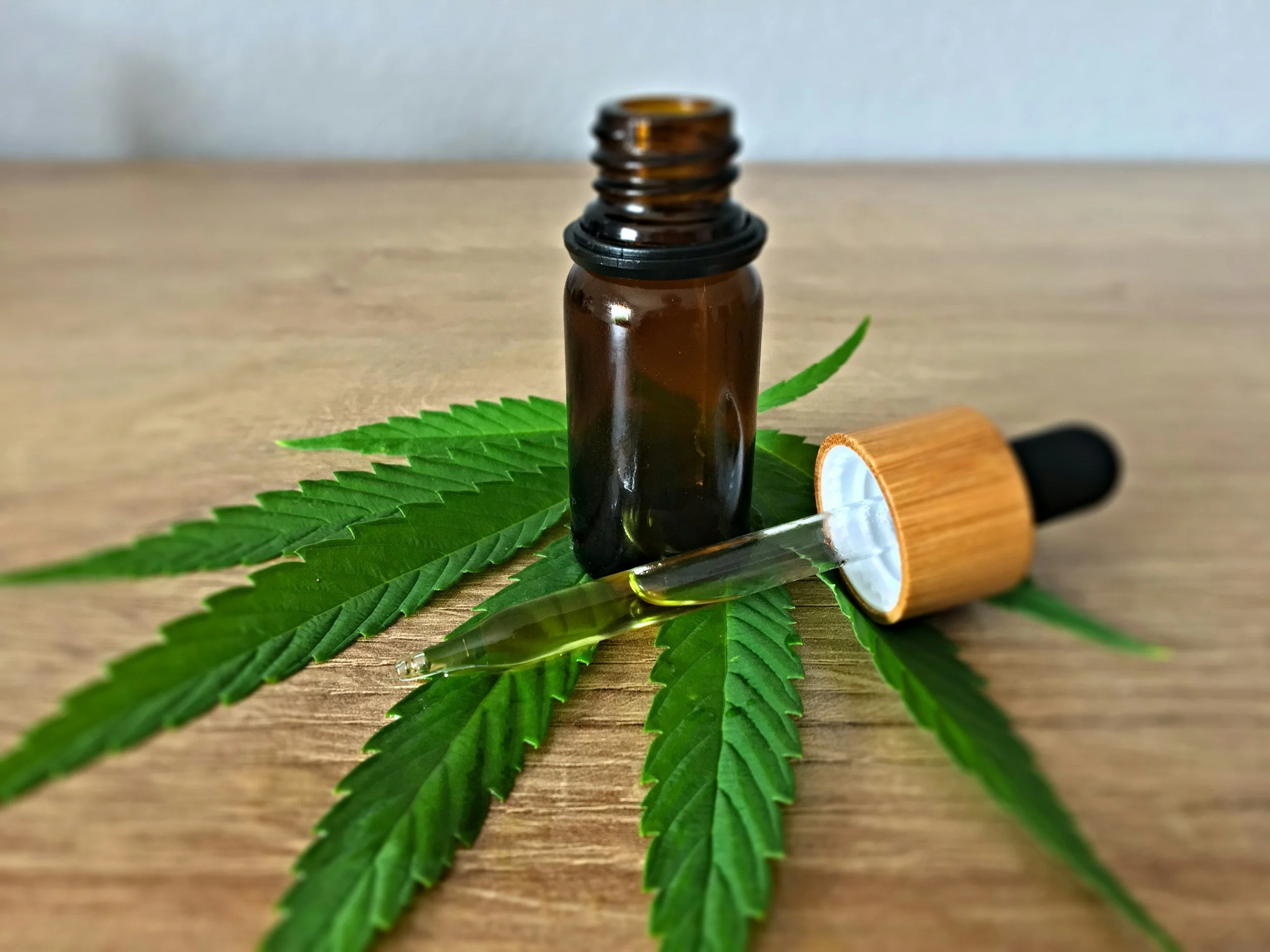
Anxiety is one of the most common mental health conditions, affecting millions of people globally. Traditional treatments, including therapy and medication, are often effective, but an increasing number of individuals are exploring cannabis as a potential remedy for anxiety. This article delves into the effectiveness of cannabis for treating anxiety, examining the science behind it, its potential benefits, and important considerations.
Understanding Anxiety and Cannabis
Anxiety disorders encompass a range of conditions, such as generalized anxiety disorder (GAD), social anxiety disorder, panic disorder, and post-traumatic stress disorder (PTSD). Symptoms can include excessive worry, restlessness, fatigue, difficulty concentrating, and sleep disturbances.
Cannabis, derived from a group of flowering plants in the Cannabaceae family, contains numerous compounds known as cannabinoids. The two most prominent cannabinoids are tetrahydrocannabinol (THC) and cannabidiol (CBD). THC is responsible for the psychoactive effects of cannabis, while CBD is non-psychoactive and has been associated with various therapeutic benefits.
The Science Behind Cannabis and Anxiety
Research into the use of cannabis for anxiety is still developing, but several studies and anecdotal reports suggest potential benefits:
Endocannabinoid System: The human body has an endocannabinoid system (ECS) that regulates various physiological processes, including mood, stress response, and anxiety. Cannabinoids from cannabis interact with the ECS, potentially influencing these processes in ways that could alleviate anxiety symptoms.
CBD’s Anxiolytic Effects: CBD has been found to have significant anxiolytic (anxiety-reducing) effects. It interacts with serotonin receptors in the brain, which play a key role in mood regulation. Unlike THC, CBD does not produce a “high,” making it an attractive option for anxiety relief without psychoactive effects.
THC and Anxiety: The relationship between THC and anxiety is complex. While low doses of THC may help reduce anxiety for some individuals, higher doses can potentially increase anxiety and induce paranoia. The effects of THC are highly individual and can vary based on dosage, strain, terpene profile, method of consumption, and personal tolerance.
Potential Benefits of Cannabis for Anxiety
Symptom Relief: Many individuals report significant relief from anxiety symptoms when using cannabis, particularly CBD-dominant products. These products can help reduce feelings of stress, improve mood, and promote relaxation.
Natural Alternative: Cannabis provides a natural alternative to traditional medications, which may appeal to those who prefer plant-based treatments.
Improved Sleep: Anxiety often disrupts sleep patterns, and cannabis, especially CBD, can help improve sleep quality by reducing anxiety and promoting relaxation.
Important Considerations
Individual Variability: Responses to cannabis can vary widely. Factors such as individual biology, the specific cannabinoid profile of the cannabis product, and the method of consumption can influence effectiveness and side effects.
Potential Side Effects: While CBD is generally well-tolerated, THC can cause side effects, including increased anxiety, paranoia, and cognitive impairment, especially at higher doses. It’s important to start with a low dose and gradually adjust based on individual response.
Legal Status: The legality of cannabis varies by location. It’s crucial to be aware of the legal status of medical cannabis in your area and to obtain it through legal and reputable sources.
Professional Guidance: Consulting with a healthcare provider is essential before starting any new treatment, including cannabis. Cannabis interacts with hundreds of different medications, which can lead to increased side effects, altered metabolism of other medications, and altered effects. A medical professional can help determine the risk associated with mixing cannabis with your current medication regimen, as well as make appropriate dosage and cannabinoid profile recommendations for your specific needs.
Research and Evidence
While anecdotal reports and preliminary studies are promising, more rigorous scientific research is needed to fully understand the effectiveness and safety of cannabis for anxiety. Ongoing clinical trials and research efforts aim to provide clearer insights into how cannabis can be integrated into anxiety treatment protocols.
Practical Tips for Using Cannabis for Anxiety
Start Low, Go Slow: Begin with a low dose of CBD or a CBD-dominant product, and gradually increase the dosage as needed. Pay attention to how your body responds and adjust accordingly.
Choose the Right Product: Opt for high-quality, lab-tested products from reputable sources. Consider CBD oil, capsules, or edibles for precise dosing and consistent effects.
Monitor Your Response: Keep track of your symptoms, dosage, and any side effects. This can help you and your healthcare provider determine the most effective treatment plan.
Combine with Other Therapies: Cannabis can be part of a comprehensive treatment plan that includes therapy, lifestyle changes, and other complementary treatments.
Final Thoughts
Cannabis holds promise as a potential treatment for anxiety, offering symptom relief and a natural alternative to traditional medications. However, it’s important to approach cannabis with caution, considering individual variability, potential side effects, and legal considerations.
If you or a loved one is considering cannabis for anxiety, seek professional guidance and start with a cautious, informed approach. With the right support and information, cannabis can be a valuable tool in managing anxiety symptoms and improving overall quality of life.
Remember, managing anxiety is a journey that often involves a combination of treatments. By exploring various options, including cannabis, and working closely with healthcare providers, individuals can find a balanced and effective path to mental well-being.
🔗 Further Reading on The Calming Edge
If anxiety often makes it difficult to stay present, this related article may offer additional grounding and context.
Understanding Anxiety: What It Is, Why Your Brain Worries, and Why Your Body Reacts
⚠️ Gentle Disclaimer
The information shared here is for educational purposes only and is not a substitute for professional medical or mental health care. Reading this article does not establish a therapeutic relationship. If you are struggling or have concerns about your mental health, consider reaching out to a qualified healthcare provider.
Read our [Medical Disclaimer] and [Educational & Affiliate Disclaimer] for full details.