Medical Trauma: When Illness or Injury Changes More Than the Body
Medical Trauma: When Illness or Injury Changes More Than the Body
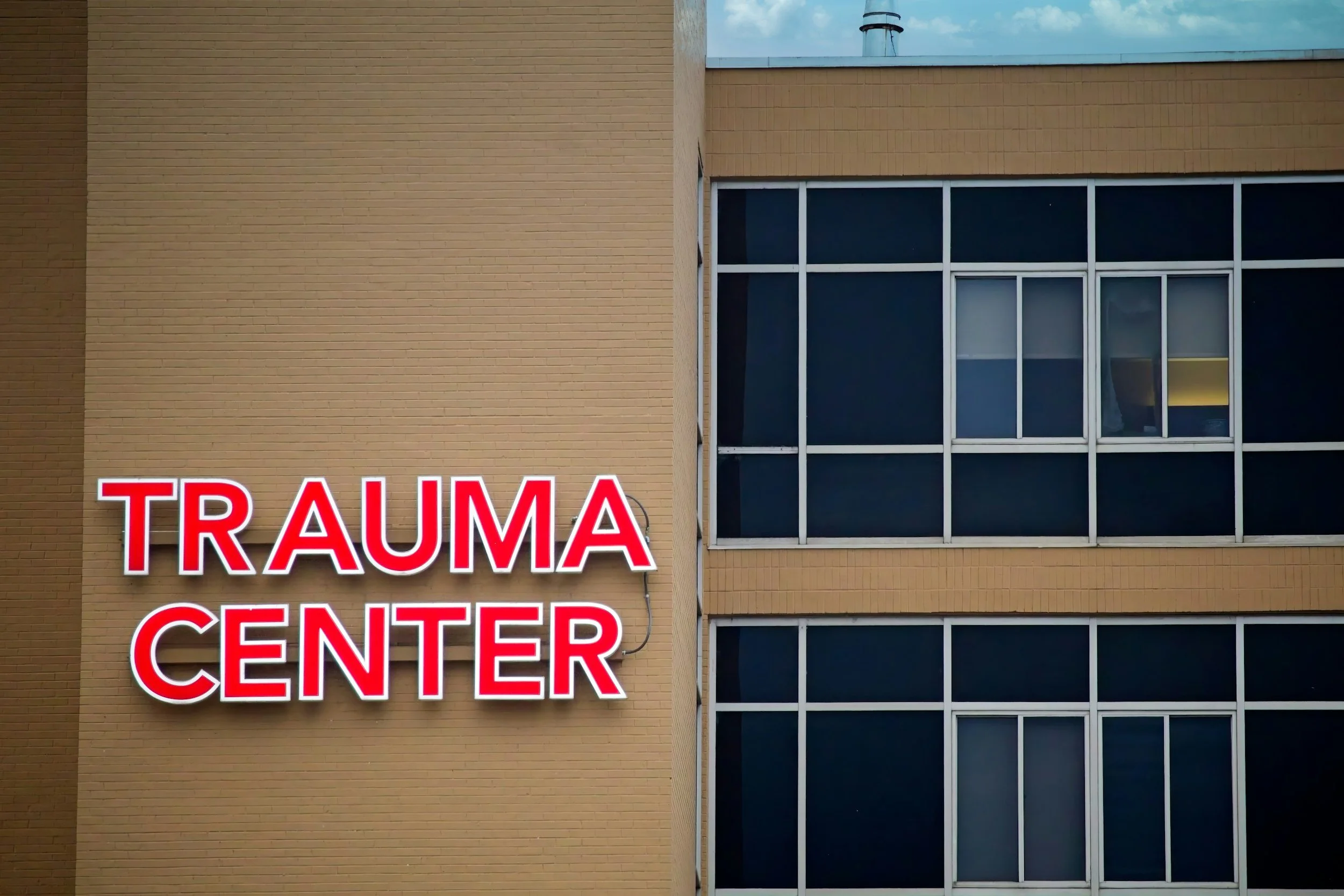
A serious illness or injury can divide life into a distinct before and after.
One day, the body may feel familiar and relatively predictable. Then comes a cancer diagnosis, a heart attack, a devastating accident, an emergency surgery, or another medical crisis that suddenly changes what seemed certain.
The immediate focus is usually survival and treatment. Tests need to be completed. Decisions have to be made. Procedures are scheduled. Family members wait for updates. Medical teams concentrate on stabilizing the body and treating the illness or injury.
But surviving a medical crisis and emotionally recovering from it are not necessarily the same process.
For some people, the psychological effects emerge during treatment. For others, they become more noticeable afterward, when appointments become less frequent, family members return to their routines, and everyone seems ready for life to become “normal” again.
That is where medical trauma can become part of the story.
What Is Medical Trauma?
Medical trauma refers to psychological and emotional responses that can develop following frightening, painful, invasive, or life-threatening medical experiences.
It can occur after a single sudden event, such as a heart attack or serious accident, or develop during months or years of treatment for illnesses such as cancer.
The experience may involve:
fearing that you might die
severe or uncontrolled pain
emergency surgery
intensive care or mechanical ventilation
repeated medical procedures
frightening diagnostic tests or results
chemotherapy, radiation, or other intensive treatments
loss of consciousness or fragmented memories of what happened
permanent changes in physical functioning
visible changes to the body
dependence on others for basic needs
prolonged hospitalization or rehabilitation
Not everyone who experiences a serious illness or injury develops medical trauma or post-traumatic stress disorder.
The diagnosis itself is not what determines whether an experience becomes traumatic. What matters is how the event was experienced by the individual.
Fear, helplessness, pain, uncertainty, previous trauma, available support, the circumstances surrounding treatment, and the degree of control someone felt they had can all influence how the experience is processed.
Why Medical Experiences Can Become Traumatic
Trauma often involves a profound disruption in our sense of safety.
Medical crises can create exactly that disruption.
The threat is also different from many other traumatic experiences because the perceived danger may be coming from inside the person's own body.
A heart suddenly stops functioning normally.
A scan reveals a tumor.
An accident changes the ability to walk.
A burn permanently changes someone's appearance.
A person may survive the immediate threat while being left with an unsettling realization:
My body is capable of something frightening happening again.
That loss of trust in the body can become an important part of medical trauma.
There is often a loss of control as well.
During a medical emergency, other people may be making critical decisions. Clothing may be removed. Procedures may be performed. People may be touched repeatedly by strangers. Sleep is interrupted. Machines beep. Lights remain on. Someone may be unable to move, speak, eat normally, use the bathroom independently, or understand everything happening around them.
All of these things may be medically necessary.
They can still be psychologically overwhelming.
Medical Trauma Can Take Many Forms
There is no single medical-trauma experience. Different illnesses and injuries can create very different psychological challenges.
Cancer and the Uncertainty of Recurrence
Cancer can involve much more than receiving a frightening diagnosis. There may be surgery, chemotherapy, radiation, medication side effects, hair loss, changes in weight or appearance, fatigue, pain, financial stress, disruptions in work and family life, and months or years of follow-up care.
Even after successful treatment, uncertainty may remain. A routine scan can suddenly carry enormous emotional weight. An unexplained ache, swollen lymph node, or unusual symptom may immediately raise the question: Is it back?
Some people experience significant anxiety before follow-up scans or oncology appointments, sometimes referred to informally as scanxiety. Others find that anniversaries of their diagnosis or treatment bring back emotions they thought they had moved beyond.
Being told that treatment was successful does not necessarily mean the fear disappears at the same time.
Heart Attack and Fear of the Body
A heart attack is often sudden. Someone may go from an ordinary day to an ambulance, emergency department, cardiac catheterization laboratory, or intensive care unit within hours.
Afterward, normal physical sensations can become frightening. A faster heartbeat after climbing stairs may feel dangerous. Indigestion may resemble the sensations experienced before the heart attack. Shortness of breath during exercise can trigger fear.
The person may begin monitoring the body constantly. Is my heart beating too fast? Was that chest pressure? Should I call someone?
Appropriate awareness of cardiac symptoms is important after a heart attack. But when every physical sensation begins to signal possible catastrophe, anxiety and hypervigilance can interfere with recovery and quality of life.
Rebuilding confidence in the body may become part of the psychological recovery.
Burns, Scarring, Amputation, and Changes in Body Image
Severe burns, amputation, surgery, and other injuries or treatments can permanently change how a person looks and experiences their body. The resulting grief often extends beyond physical appearance and may affect identity, confidence, independence, intimacy, sexuality, and relationships.
Even when a procedure or treatment was lifesaving, a person may still grieve the body, abilities, or sense of self they had before. Gratitude for survival and grief over what was lost can exist at the same time.
Paralysis and Loss of Independence
A spinal cord injury or other neurological event resulting in paralysis can alter nearly every aspect of daily life. Mobility may change. Work may change. Relationships may change.
Once automatic tasks may now require equipment, planning, assistance, or rehabilitation.
There can be grief surrounding independence, identity, career, parenting roles, sexuality, recreation, and expectations for the future. Psychological adjustment does not mean pretending those losses do not matter.
It means gradually developing a way to live within a reality that may be very different from the one that existed before the injury.
ICU and Emergency Medical Experiences
Sometimes the illness or injury is only part of what becomes traumatic. The treatment environment itself can contribute. People who spend time in an intensive care unit may experience mechanical ventilation, sedation, sleep disruption, invasive procedures, delirium, physical restraints, alarms, bright lights, and fragmented memories.
Some remember events accurately. Others remember frightening hallucinations or dreamlike experiences associated with illness, medication, or ICU delirium. A person may leave the hospital medically improved while still trying to make sense of what happened.
Emotional Responses After Serious Illness or Injury
Medical trauma does not always look like classic PTSD. It may appear as anxiety, intrusive memories, sleep problems, hypervigilance, depression, grief, emotional numbness, fear of recurrence, or increased attention to physical sensations. Changes in body image, difficulty trusting the body, and avoidance of medical appointments may also occur.
For many people, these reactions gradually improve. When they persist or begin interfering with relationships, medical care, rehabilitation, work, or daily life, additional support may be helpful.
When Everyone Else Thinks the Crisis Is Over
There can be a complicated emotional period after a medical crisis. The surgery was successful, the cancer is in remission, or rehabilitation is progressing, and everyone around the person may be relieved and ready to celebrate. Yet once the immediate demands of treatment begin to settle, the person who survived it may finally have enough space to realize: That was terrifying.
Gratitude and grief can exist at the same time. Someone can be grateful to be alive while grieving what happened, appreciate excellent medical care while still feeling traumatized by parts of the experience, or celebrate recovery while fearing recurrence or adjusting to a changed body. Recovery does not require choosing only one of those truths.
Avoiding Medical Care After Medical Trauma
One particularly important consequence of medical trauma is avoidance. A person who experienced painful procedures, frightening news, or a prolonged hospitalization may begin postponing follow-up appointments or avoiding medical settings altogether.
From the outside, this can look like noncompliance. From the inside, it may feel like self-protection. Opening the patient portal, scheduling a scan, sitting in a waiting room, or undergoing another procedure may reactivate memories of the original experience.
Unfortunately, avoiding medical care can create additional health risks. Recognizing trauma-related avoidance allows the problem to be addressed differently. Instead of simply asking why someone “won't go to the doctor,” it may be more useful to ask what happens emotionally and physically when they think about going.
Healing After Medical Trauma
Recovery from medical trauma is not about forgetting what happened. For many people, it involves gradually rebuilding a sense of safety while learning to live with an experience that cannot be undone.
Trauma-informed psychotherapy may help someone process frightening memories, reduce avoidance, work with anxiety or depressive symptoms, and understand how the medical experience changed their relationship with their body. Depending on the individual and their symptoms, approaches such as cognitive behavioral therapy, trauma-focused therapy, EMDR, exposure-based therapies, or other evidence-informed treatments may be considered.
Support groups can also be valuable. Speaking with other cancer survivors, amputees, burn survivors, people living with spinal cord injuries, or individuals recovering from cardiac events can reduce the isolation that sometimes follows a major medical experience.
Rehabilitation itself may also contribute to emotional recovery. Physical therapy, occupational therapy, cardiac rehabilitation, prosthetic training, and other forms of rehabilitation can help people gradually experience what their bodies can do rather than focusing exclusively on what has changed.
Medical providers can help by recognizing that emotional recovery deserves attention alongside physical recovery.
What About Post-Traumatic Growth?
Some people eventually describe positive changes following a serious illness or injury. They may reconsider priorities, strengthen important relationships, become more willing to set boundaries, appreciate ordinary experiences differently, or develop a new sense of purpose. This is sometimes described as post-traumatic growth.
But growth should never become another expectation placed on someone who has already endured something difficult. A person does not need to find a hidden gift in cancer, a heart attack, an amputation, paralysis, or any other medical crisis. Sometimes an awful experience is simply an awful experience.
When growth occurs, it can be meaningful. When it does not, that does not mean someone has failed to heal.
💛 Final Thoughts
Medical recovery is often measured by what you can see or test: the tumor has shrunk, the incision has healed, cardiac function has improved, or rehabilitation goals have been met.
Emotional recovery is harder to measure. A person can be medically stable while still struggling with fear, grief, or a changed relationship with their body. They can be grateful to have survived while also grieving the independence, certainty, abilities, or version of life they had before.
Healing after serious illness or injury does not always mean getting back to who you were before. Sometimes it means gradually finding a way to feel safe, connected, and fully present in the life and body you have now.
For more evidence-informed information about trauma, emotional well-being, and approaches that may support recovery, explore more articles below.
🔗 Further Reading on The Calming Edge
Understanding Trauma: How the Nervous System Remembers What the Mind Tries to Forget
A deeper look at how traumatic experiences can continue to influence emotional and physical responses after the immediate danger has passed.
Healing After Trauma: Understanding the Different Paths to Recovery
Learn about approaches used in trauma recovery, including trauma-focused therapy, EMDR, exposure-based treatments, polyvagal-informed approaches, and medication.
⚠️ Disclaimer
This article is for educational and informational purposes only and is not intended to diagnose a mental health condition or replace individualized medical or mental health care.
If you are experiencing significant emotional distress following a serious illness, injury, hospitalization, or medical procedure, consider discussing your symptoms with a qualified healthcare or mental health professional.
Please see the [Medical Disclaimer] and [Educational Disclaimer]for additional information.